Cru
Timeless rows
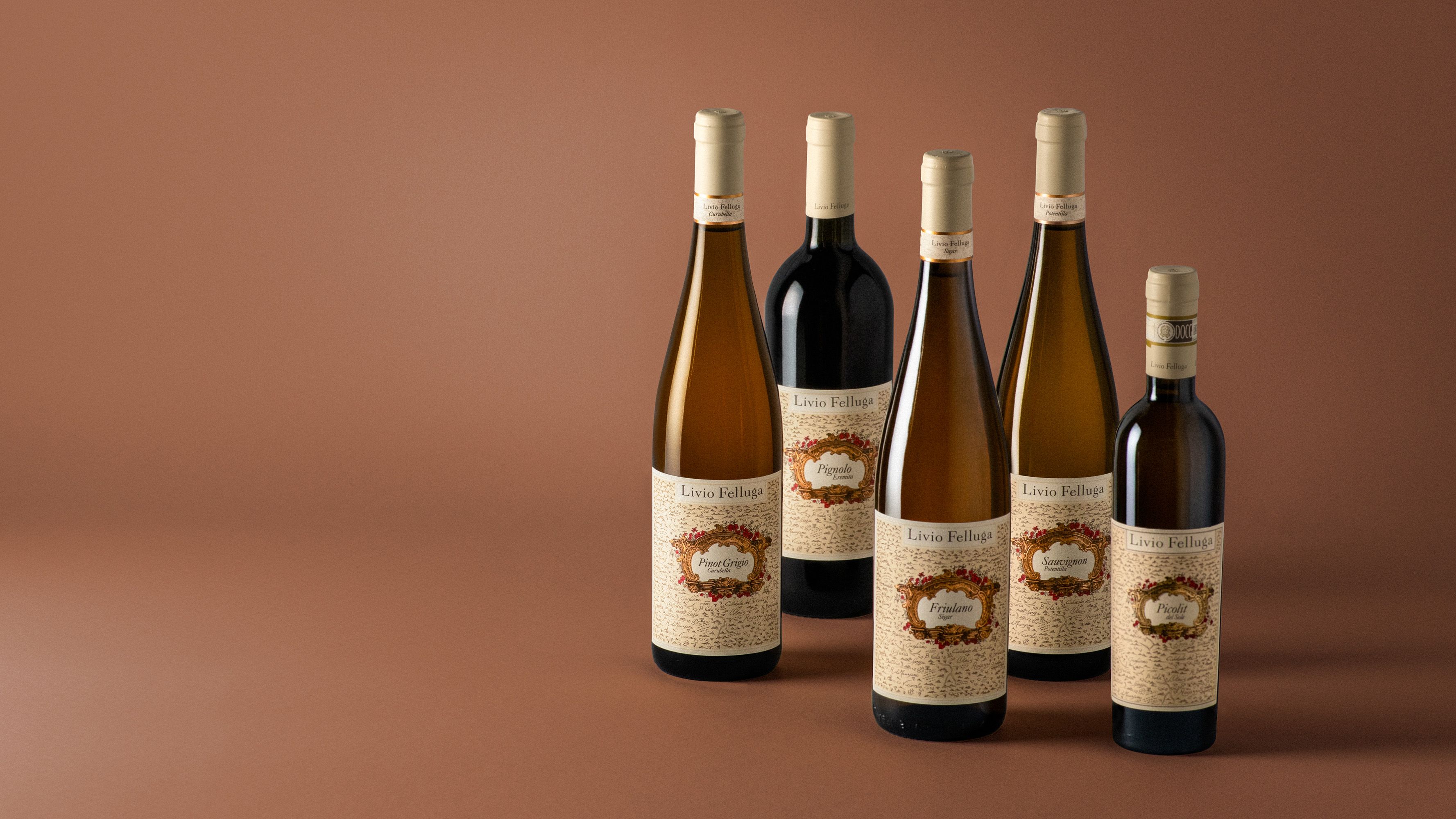
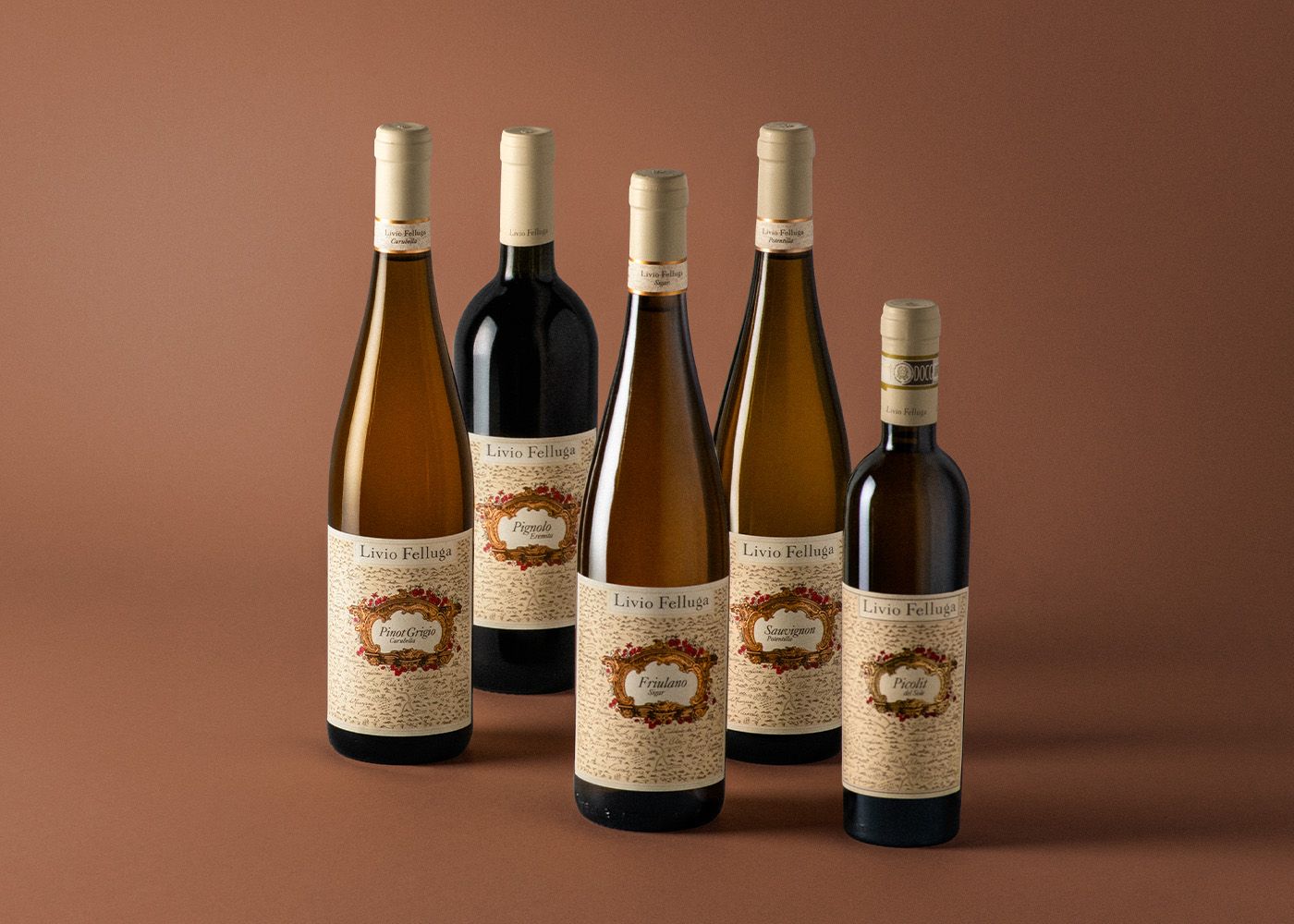
Historic vineyards, old vines, singular parcels. Each Cru comes from a place where the land speaks with uncommon clarity, preserving in every bottle the unrepeatable identity of a specific place and time.
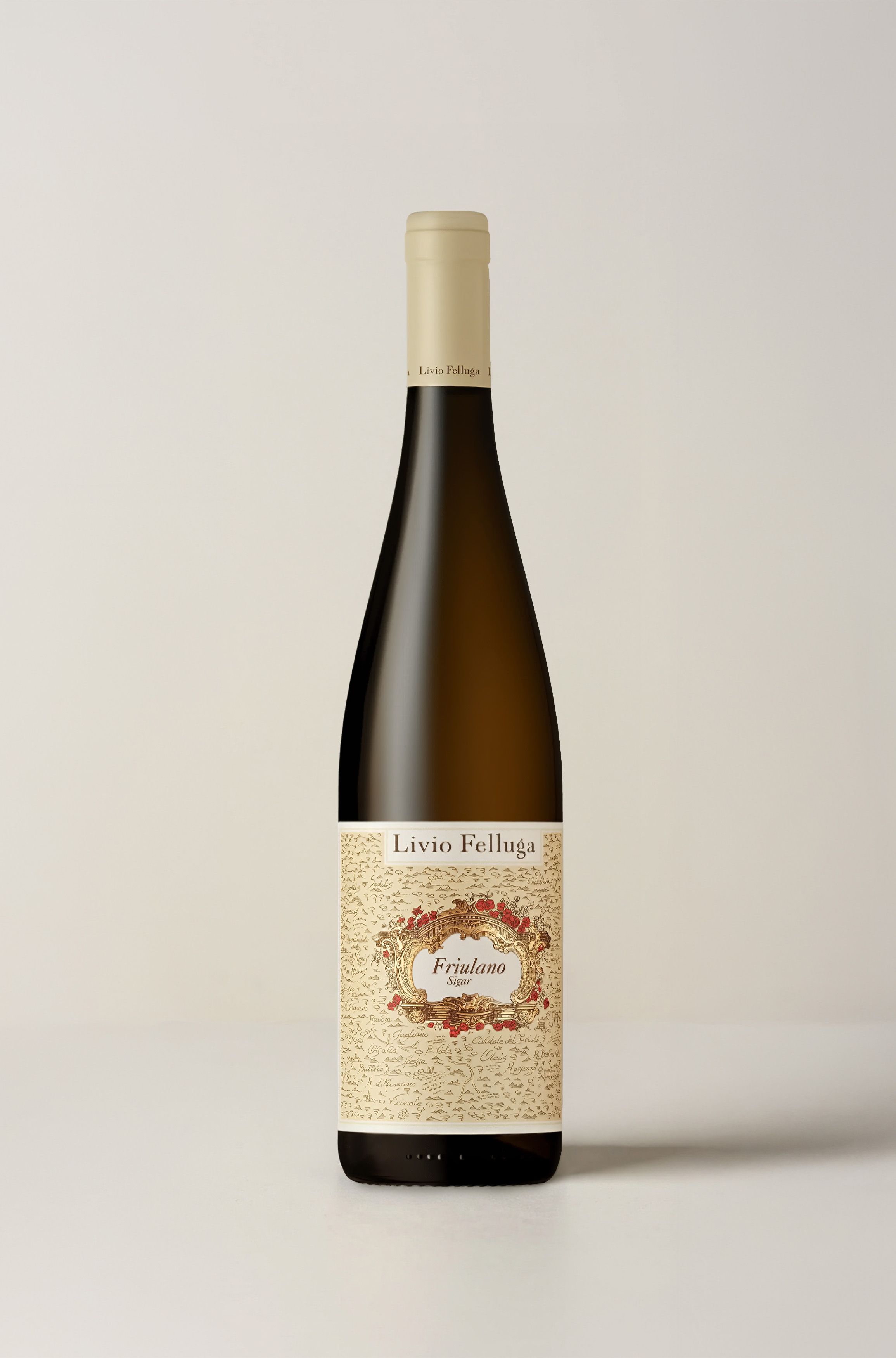
Friuliano Sigar
This wine is dedicated to the history of this land and to the hard-working farmers who have cared for it, making it the unique place it is today. Sigar, a farmer nicknamed for his love of smoking, placed his hopes in the sky as he tended to the harvest of vines planted in 1963. The result of a mass selection, these vines still produce soft, elegant grapes today, with a botanical and fruity soul.
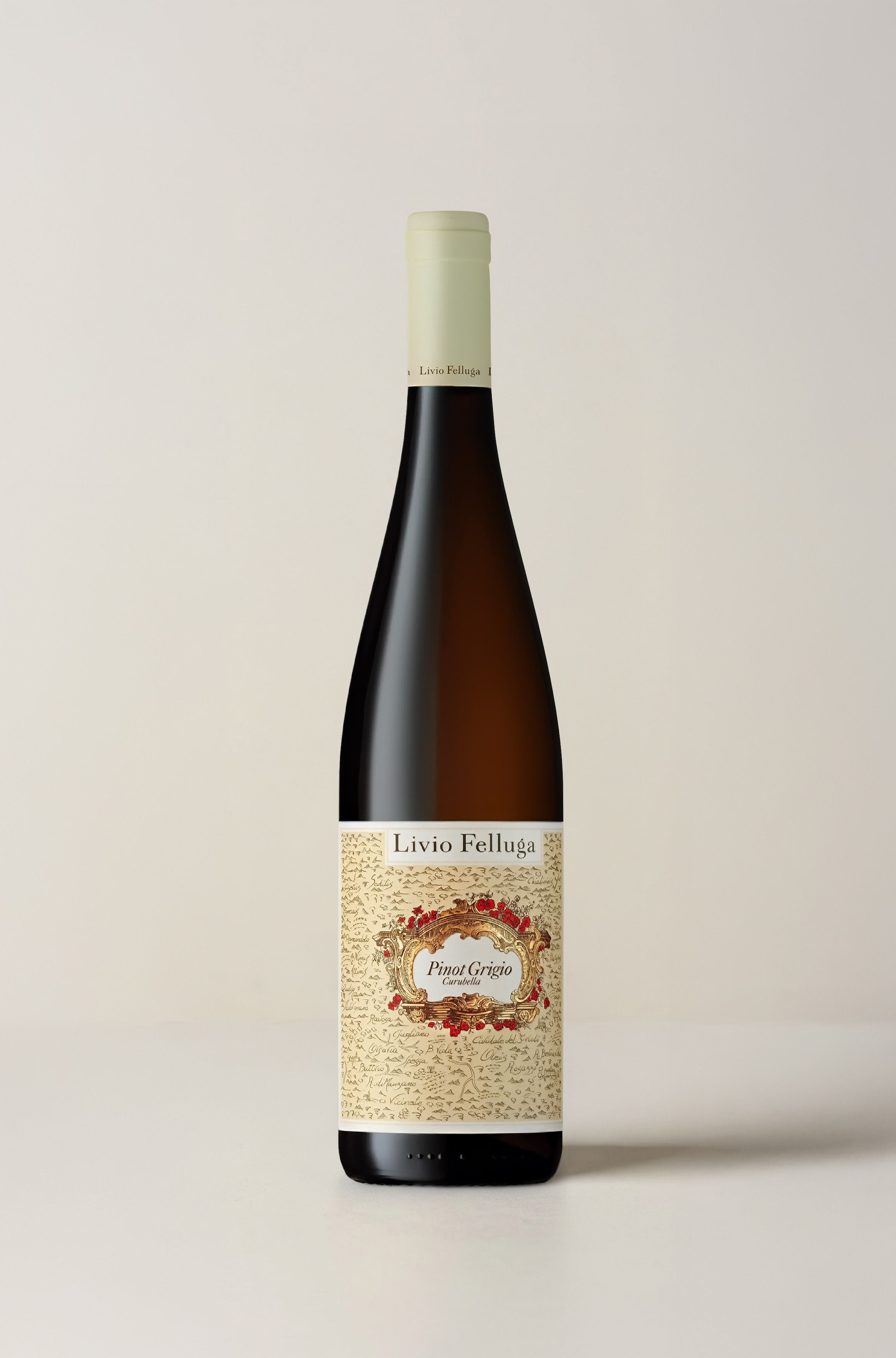
Pinot Grigio Curubella
‘Curubella’ is a dialect term that refers to a rounded hill. This particular Cru, which was planted in 1981, is located at the foot of a Curubella: it produces grapes that are refined and harmonious yet have a strong character and identity. With Pinot Grigio Curubella, we have therefore chosen to provide a unique expression of this noble variety, allowing it to stand alone in the Friuli’s winemaking narrative.
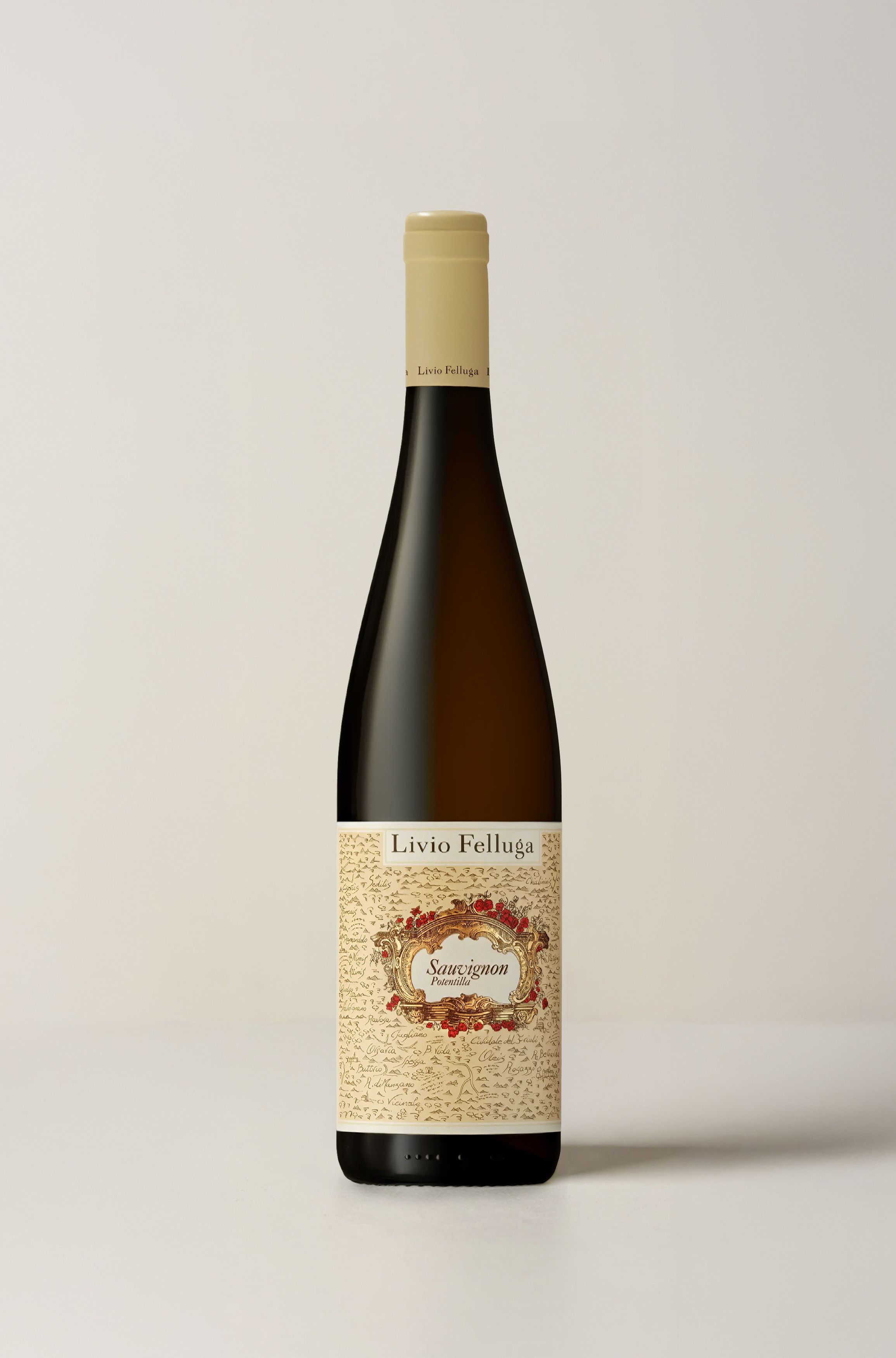
Sauvignon Potentilla
We have dedicated this wine to the Potentilla, a small yellow wildflower that grows on our hills. The name Potentilla comes from the Latin ‘potenza’ (power) and ‘illa’ (small), meaning ‘great power’ in a small flower. The Potentilla vines, which are a mass selection with medium-sized, rather sparse bunches, were planted in 1975 and still produce graps that give this elegant and balanced wine its complex and seductive character.
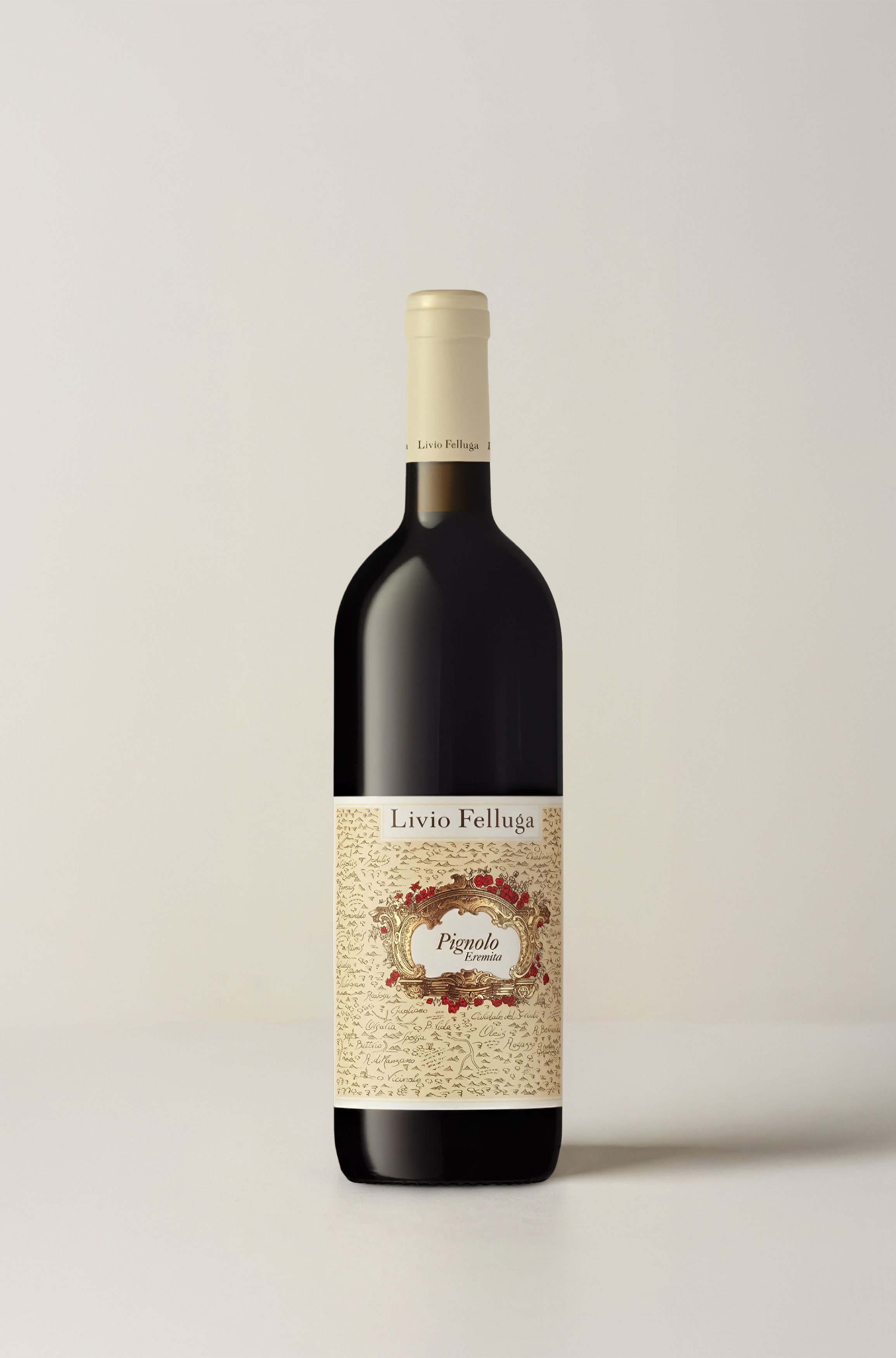
Pignolo Eremita
According to legend, the hermit Alemanno settled on the Rosazzo hill in the 9th century for a spiritual retreat. It was in this same location that the first traces of the Pignolo grape variety were found, dating back to the late 18th century. Known as ‘pignul’ in the Friulian dialect, the fragile grape variety was on the verge of extinction in the late 19th century due to its low productivity. However, it was later rediscovered and recovered once again at Rosazzo. The soulful, confident grapes of Eremita are wild at heart and have historical significance for our area. In 1983, a mass selection of the indented-leaf biotype was planted under the wall of the Ancient Belvedere, bearing its characteristic small, pine-cone-shaped bunches.
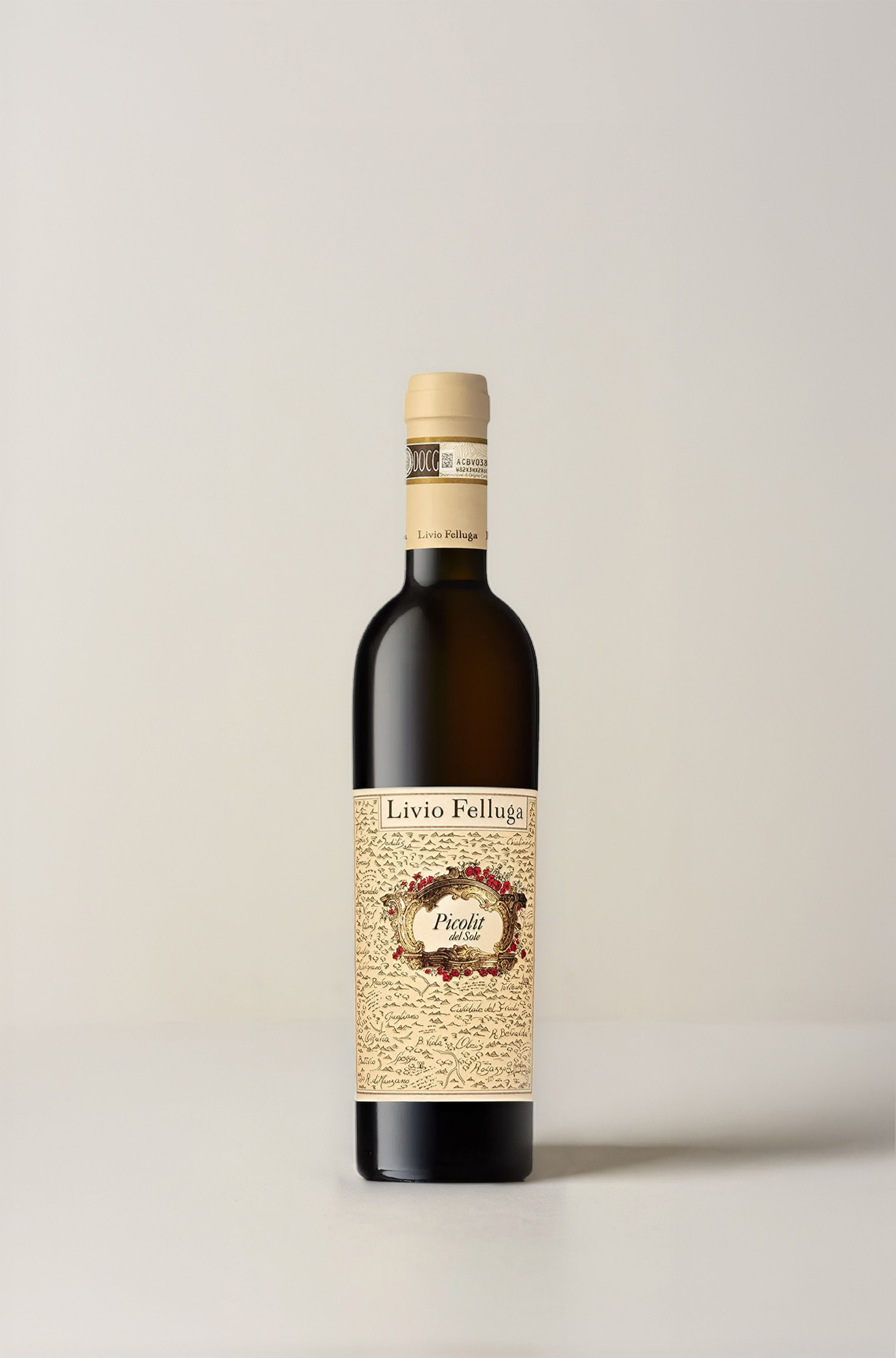
Picolit
Picolit is Friuli’s most noble wine, but its origins remain a matter of debate. Thanks to the writings of Count Fabio Asquini, we have had accurate documentation of this ‘nectar produced by the meagre berries of the bunch’ since 1750. The peculiarity of this delicate, unusual vine is the partial fertilisation of its flowers. This means that only a few very concentrated berries ripen in each bunch. This complex wine, the colour of old gold, marries sweet and fresh sensations, releasing a pervasive aroma of candied peel, vanilla and spring flowers. In the past, Picolit was the wine of Europe’s nobility. Today, it is celebrated as a prestigious wine for meditation.
